

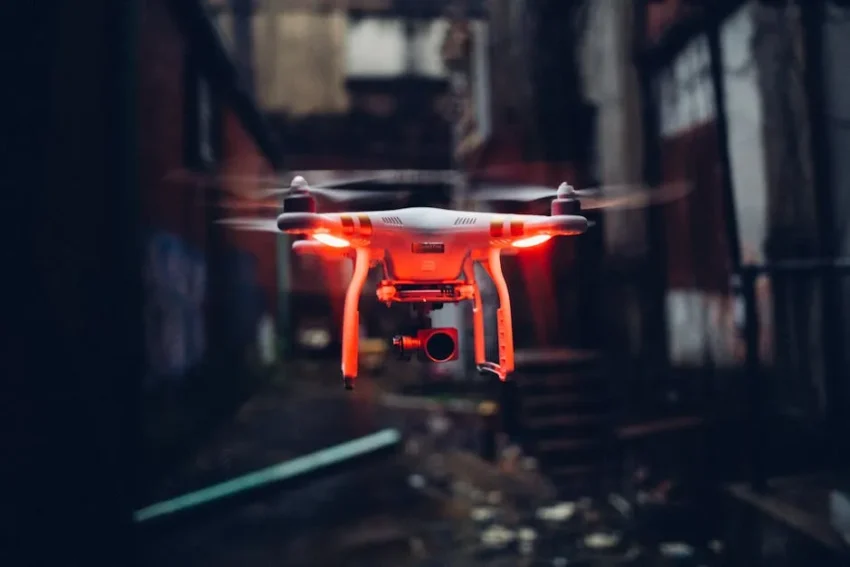
FCC Takes Action Against Foreign-Made Drones Amid Security Concerns
The Federal Communications Commission (FCC) has recently made headlines by blacklisting a number of foreign-made drones, raising security and surveillance concerns. This decision particularly impacts drones manufactured by DJI, a Chinese company that dominates the global drone market.
Understanding the Blacklist
The FCC’s move to blacklist these drones stems from ongoing worries about national security and potential spying. With the increasing reliance on drone technology for various applications, from recreational use to commercial operations, the implications of this decision are significant. The agency’s actions reflect a broader trend in which governments are becoming increasingly cautious about technologies produced by foreign entities, especially those from countries considered potential adversaries.
The Rise of DJI in the Drone Market
DJI has established itself as a leader in the drone industry, holding a substantial market share. This dominance has raised eyebrows among policymakers, who express concerns that the integration of foreign-made drones into the U.S. market could pose risks related to data privacy and security. With many DJI drones equipped with advanced capabilities for data collection and transmission, the potential for misuse is a central issue.
What This Means for Consumers and Businesses
As the FCC implements these restrictions, consumers and businesses relying on drone technology may face challenges. Those who own or use DJI drones may need to reconsider their choices as regulations tighten. This could lead to a shift towards domestically produced drones or alternative brands, which may be perceived as safer options in terms of data security.
Broader Implications for Technology and Trade
This decision also highlights a growing tension in U.S. foreign relations, particularly regarding technology and trade. The blacklisting of DJI drones is not just about individual products; it reflects a larger narrative about how nations view technology as a strategic asset. As countries grapple with the balance between innovation and security, the implications of such actions could ripple across various sectors.
Looking Ahead
As the landscape of drone technology continues to evolve, the FCC’s actions may lead to more stringent regulations and heightened scrutiny of foreign-made technologies. Stakeholders, from consumers to industry leaders, will have to stay informed and adaptable to navigate the challenges posed by these new regulations.
In conclusion, the FCC’s blacklist of foreign-made drones, particularly those from DJI, underscores the complexities of security in an increasingly interconnected world. As the conversation around technology and national security deepens, it remains essential for all parties involved to engage thoughtfully and proactively in addressing these critical issues.
« Inside Kendall Jenner’s $23 Million Montecito Ranch: A Christmas Transformation
Taylor Swift’s Emotional Moment on Stage: A Reflection on Vulnerability During the Eras Tour »